
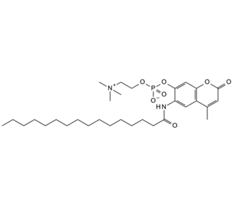
(-)-2, 3-O-Isopropylidene-D-threitol, CAS:73346-74-4
(-)-2,3-O-Isopropylidene-D-threitol is a chiral compound with two stereoisomers. It is a crystalline solid that melts at 71?C and has a population of 50%. (-)-2…
Quote on requestLead time on quote
1,6-Di-O-acetyl-2,3,4-tri-O-benzyl-a-D-mannopyranose is a carbohydrate that has been synthetically prepared. The sugar was synthesized by the solid phase synthe…

Size
Quantity
(-)-2,3-O-Isopropylidene-D-threitol is a chiral compound with two stereoisomers. It is a crystalline solid that melts at 71?C and has a population of 50%. (-)-2…
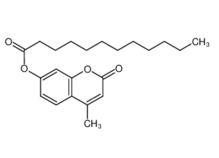
1-O-(2R)-Glycerol-b-D-galactopyranoside is a biochemical that is produced by the hydrolysis of glycerol. It is found in fatty acid esterification and degradatio…
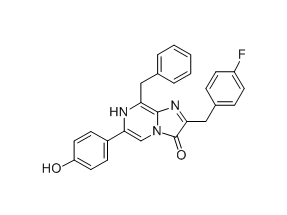
(S)-(+)-2,3-O-Isopropylideneglycerol ? 1,2-O-Isopropylidene-sn-glycerol (1,2-OIPG) is a synthetic molecule. It is synthesized from potassium thioacetate and chl…
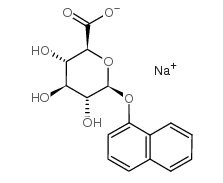
D-Glucopyranose, pentaacetate is a derivative of glucose that belongs to the saccharide family, which is one of the most important class of biomolecules. This c…