About this product
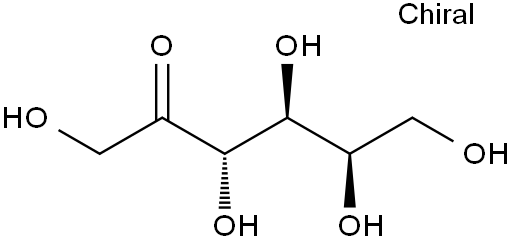
D-Tagatose
D-Tagatose (CAS No. 87-81-0) is a naturally occurring sugar and a low-calorie sweetener that has garnered attention for its potential health benefits and functional properties. It is classified as a monosaccharide and is known for its unique profile that makes it suitable for various applications in the food and pharmaceutical industries.
Chemical Properties
CAS Number : 87-81-0
MDL Number : MFCD00134449
EINECS : 201-772-3
Molecular Formula : C₆H₁₂O₆
Molecular Weight : 180.16 g/mol
Boiling Point : 551.7°C at 760 mmHg
Melting Point : 130.0–135.0°C
Flash Point : 301.5°C
Density : Approximately 1.2805 g/cm³
Description and Appearance
D-Tagatose is typically found as a white or almost white crystalline powder that is non-hygroscopic, meaning it does not absorb moisture from the air. It has a sweetness level of about 92% compared to sucrose, making it an effective sugar substitute.
Production Methods
D-tagatose can be produced through enzymatic conversion of lactose or by isomerization of fructose. The enzymatic method involves the use of specific enzymes to convert lactose into D-tagatose, while the chemical method utilizes catalytic processes.
Applications
D-tagatose has a wide range of applications, including:
Food Industry : Used as a low-calorie sweetener in various products such as diet soft drinks, low-fat ice creams, cereals, and confectionery items. It serves not only as a sweetener but also as a texturizer, stabilizer, and humectant.
Pharmaceuticals : Investigated for its potential therapeutic effects in managing type 2 diabetes due to its low glycemic index and ability to promote lactic acid bacteria growth in the gut.
Nutraceuticals : D-tagatose exhibits antioxidant properties and may help improve lipid profiles, making it beneficial for overall health.
Health Benefits
D-tagatose is recognized for several health benefits:
Diabetes Management : It has anti-hyperglycemic effects and does not significantly raise blood glucose levels, making it suitable for individuals with diabetes.
Dental Health : D-tagatose promotes the growth of beneficial bacteria in the intestines while inhibiting harmful oral bacteria, potentially reducing the risk of dental caries.
Antioxidant Properties : It helps combat oxidative stress by scavenging free radicals.
Safety and Side Effects
D-tagatose is generally considered safe for consumption; however, excessive intake may lead to gastrointestinal discomfort, including flatulence, nausea, and diarrhea due to its incomplete absorption in the small intestine.
Storage Recommendations
D-tagatose should be stored in a cool, dry place away from direct sunlight to maintain its stability and quality.
In summary, D-tagatose is a versatile sugar substitute with significant applications in food and health products. Its unique properties make it an attractive option for those seeking lower-calorie alternatives without sacrificing sweetness or taste.
Citations:
https://www.chemicalbook.com/article/d-tagatose-properties-drug-applications-and-side-effects.htm
https://www.fao.org/fileadmin/templates/agns/pdf/jecfa/cta/61/Tagatose.pdf
https://pmc.ncbi.nlm.nih.gov/articles/PMC11206312/
https://en.wikipedia.org/wiki/Tagatose
https://ift.onlinelibrary.wiley.com/doi/10.1111/1750-3841.14358
https://go.drugbank.com/drugs/DB04936
https://ontosight.ai/glossary/term/D-Tagatose---D-tag
https://www.mdpi.com/2311-5637/11/2/46