About this product
2-NBDG – A Cell Viability Indicator, Environmental sensitive Fluorescent glucose analog for monitoring of glucose uptake in live cells
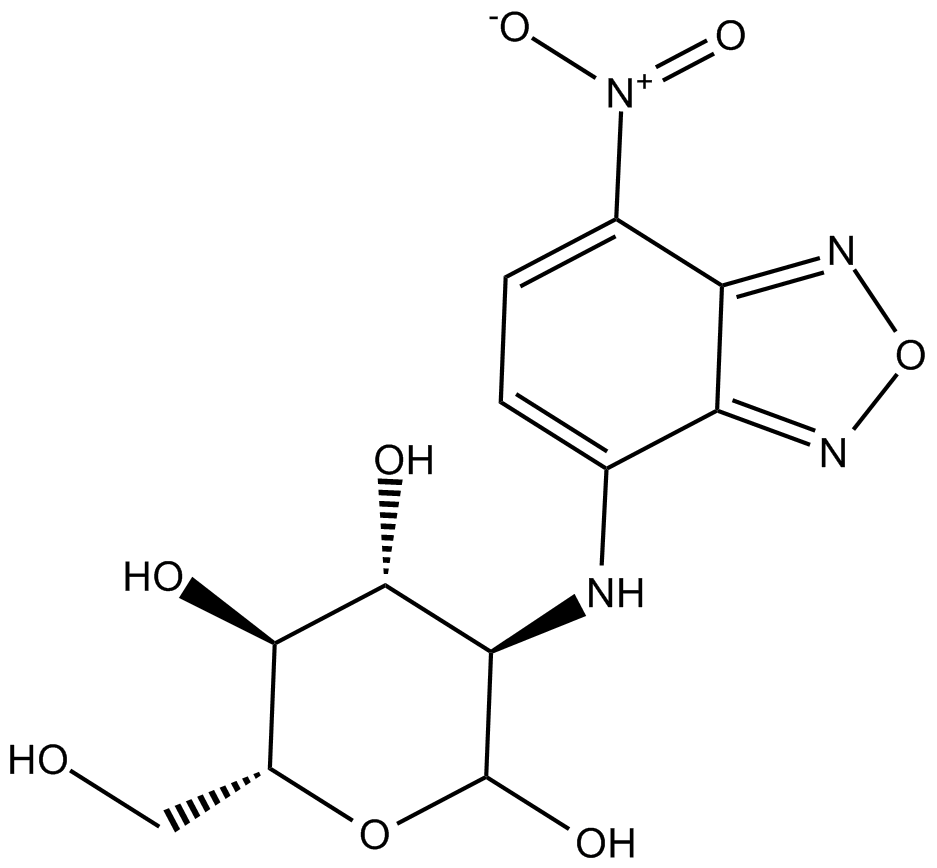
2-NBDG (2-(N-(7-Nitrobenz-2-oxa-1,3-diazol-4-yl)Amino)-2-deoxyglucose) is a fluorescent glucose analog commonly used in biological research to study glucose uptake and metabolism in cells. This compound is a modified form of glucose that is tagged with a fluorescent dye, making it a valuable tool for monitoring glucose transport and utilization in living cells.
Structure & Properties:
Molecular Weight (MW): Approximately 342.3 g/mol
Chemical Formula: C12H14N4O8 (approximate)
Synonyms: 2-NBDG, 2-(N-(7-Nitrobenz-2-oxa-1,3-diazol-4-yl)Amino)-2-deoxy-D-glucose
Functional Groups: The structure includes a deoxyglucose molecule linked to a fluorescent NBD (7-nitrobenz-2-oxa-1,3-diazol-4-yl) group, which is responsible for its fluorescence.
Biological Role:
Glucose Uptake Indicator: 2-NBDG is used as a glucose analog to monitor glucose uptake in various types of cells, particularly in studies of metabolism, diabetes, cancer, and other metabolic disorders.
Fluorescent Tracer: Due to its fluorescent properties, 2-NBDG is ideal for imaging studies, allowing researchers to visualize and quantify glucose uptake in real-time.
Applications:
Cellular Glucose Uptake Studies: 2-NBDG is widely used to investigate how cells take up glucose under different physiological and pathological conditions, providing insights into cellular metabolism.
Cancer Research: It is particularly useful in cancer research for studying the altered glucose metabolism in cancer cells, which often exhibit increased glucose uptake (known as the Warburg effect).
Diabetes Research: 2-NBDG is used to assess glucose uptake in insulin-sensitive tissues, aiding in the study of insulin resistance and diabetes.
Significance in Research:
Metabolic Studies: By using 2-NBDG, researchers can explore how various factors such as hormones, drugs, or genetic modifications affect glucose metabolism in cells.
Real-Time Imaging: The fluorescent nature of 2-NBDG allows for real-time monitoring of glucose uptake in live cells, providing dynamic insights into metabolic processes.
Storage and Stability:
Storage: 2-NBDG should be stored at -20°C in a dark, moisture-free environment to preserve its stability and fluorescence.
Stability: The compound is stable under recommended storage conditions but may degrade if exposed to light or moisture.
Research Applications:
Fluorescence Microscopy: 2-NBDG is used in fluorescence microscopy to visualize glucose uptake in cells and tissues.
Flow Cytometry: It can also be used in flow cytometry to quantify glucose uptake at the single-cell level in large populations of cells.
Metabolic Assays: 2-NBDG is employed in various metabolic assays to study glucose metabolism and related pathways.
Potential Impact:
Cancer Detection: The ability of 2-NBDG to highlight areas of high glucose uptake makes it a potential tool for identifying cancerous tissues, which are often metabolically hyperactive.
Diabetes Monitoring: It could be used to assess insulin sensitivity and glucose uptake in diabetic patients, providing insights into disease progression and treatment efficacy.
Key Research Areas:
Cancer Metabolism: 2-NBDG is extensively used to study how cancer cells alter their glucose metabolism, which could lead to the development of targeted therapies.
Metabolic Disorders: It plays a role in understanding the cellular mechanisms of metabolic disorders such as diabetes and obesity.
Drug Screening: 2-NBDG can be used to screen for drugs that modulate glucose uptake, aiding in the discovery of new treatments for metabolic diseases.
Conclusion:
2-NBDG is a powerful tool in metabolic research, particularly for studying glucose uptake and metabolism in living cells. Its fluorescent properties make it ideal for real-time imaging and quantification of glucose transport, providing critical insights into cellular processes related to cancer, diabetes, and other metabolic disorders